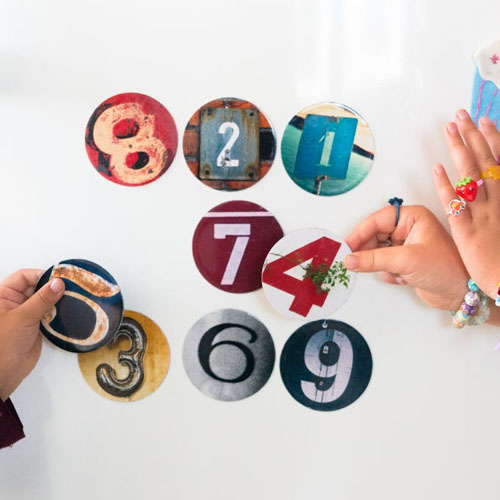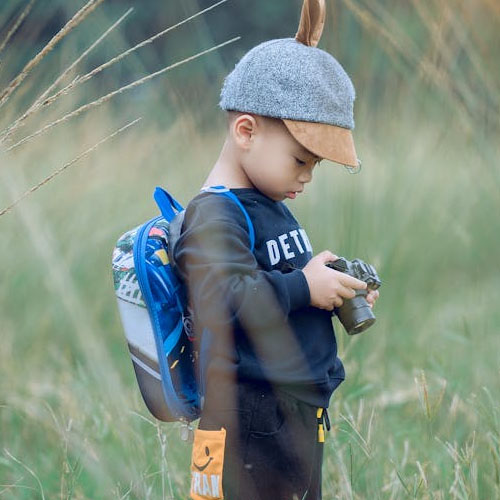
Play-based learning is a proven approach that supports a child’s natural curiosity and creativity. Rather than focusing only on structured instruction, this method encourages exploration, imagination, and discovery.
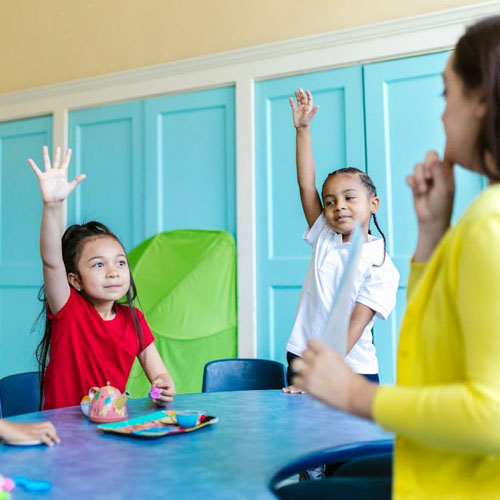
At the preschool stage, children learn best when they are actively engaged. Through play, children develop problem-solving skills, emotional intelligence, and social confidence.
How Play Supports Development
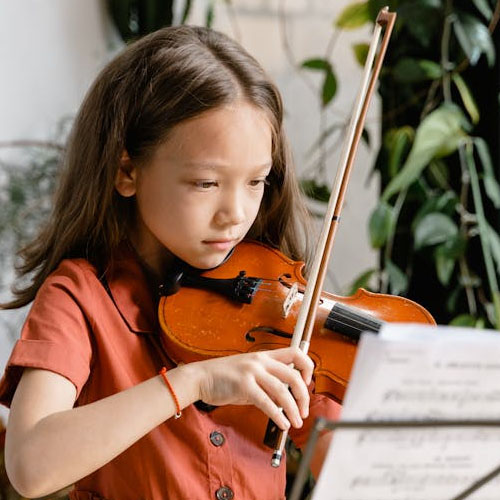
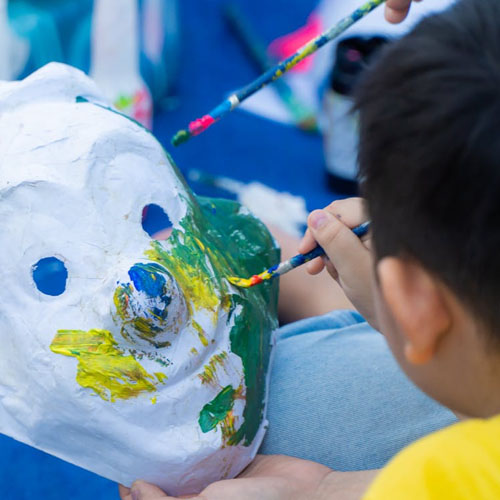
Activities like pretend play, art, music, and group games help children express emotions, practice communication, and build resilience in a safe environment.
“Play is the highest form of research.” – Albert Einstein
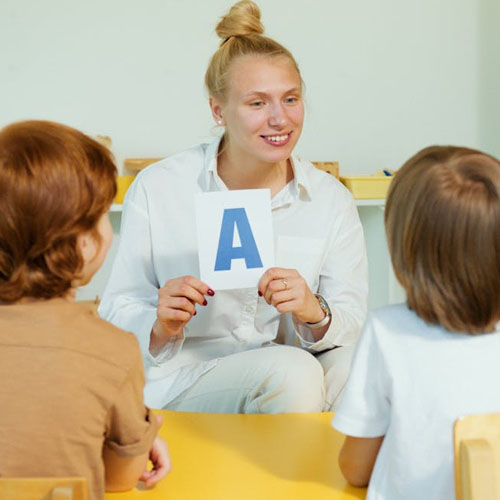
By combining guided activities with free play, educators can create meaningful learning experiences that prepare children for future academic and life success.

Tiny Tots Team
Passionate early childhood educators sharing insights, parenting tips, and preschool updates.
Comments
Sarah M
Jan 13, 2026This article perfectly explains why play is so important. Thank you for sharing!